Study Visit in Bulgaria: Promoting Sustainable Urban Mobility and Energy Efficiency under Step2CleanPlan

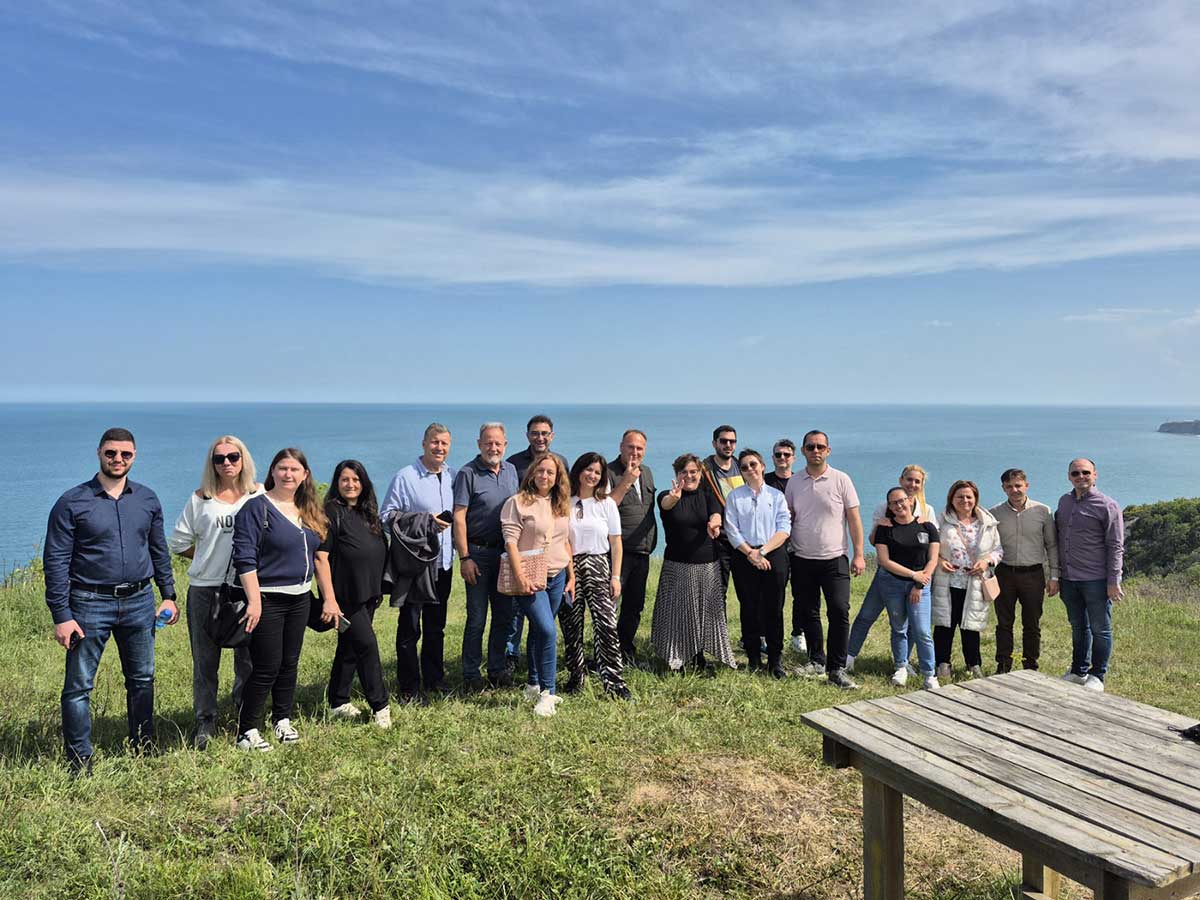
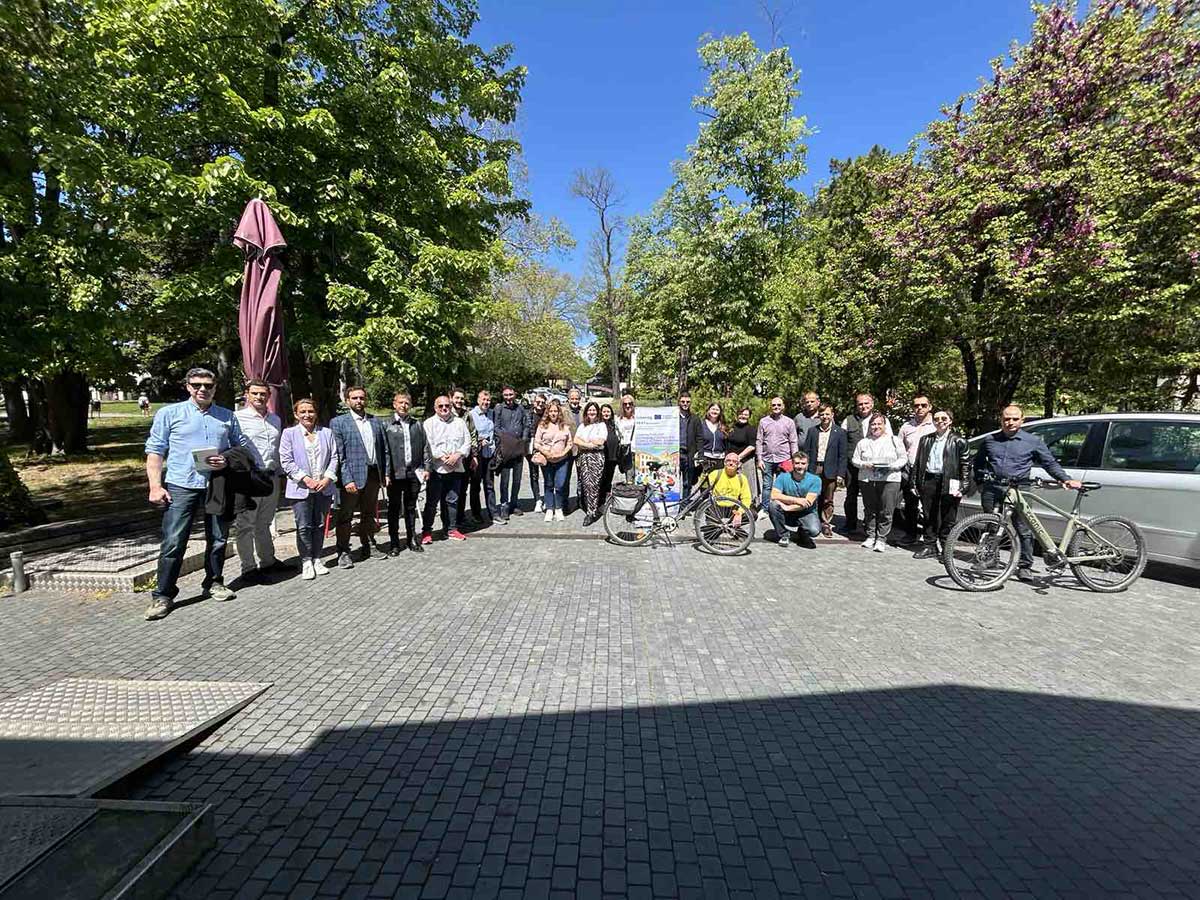
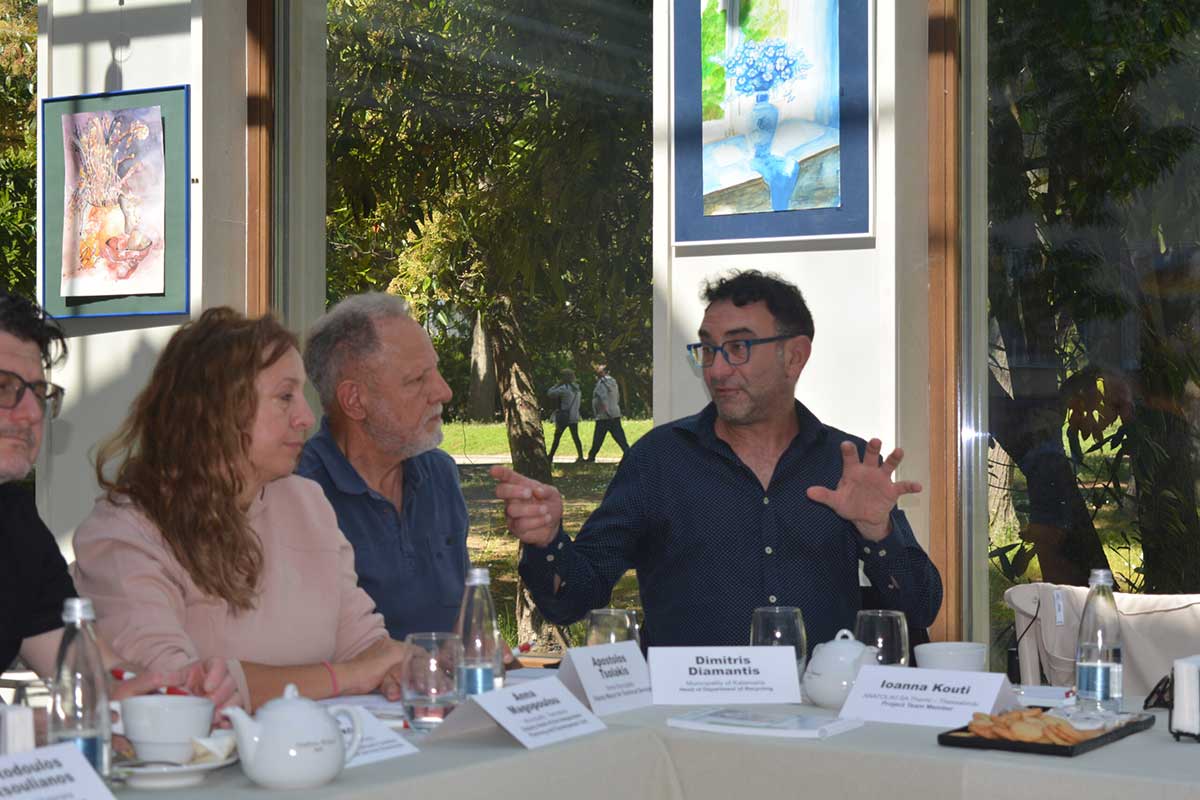
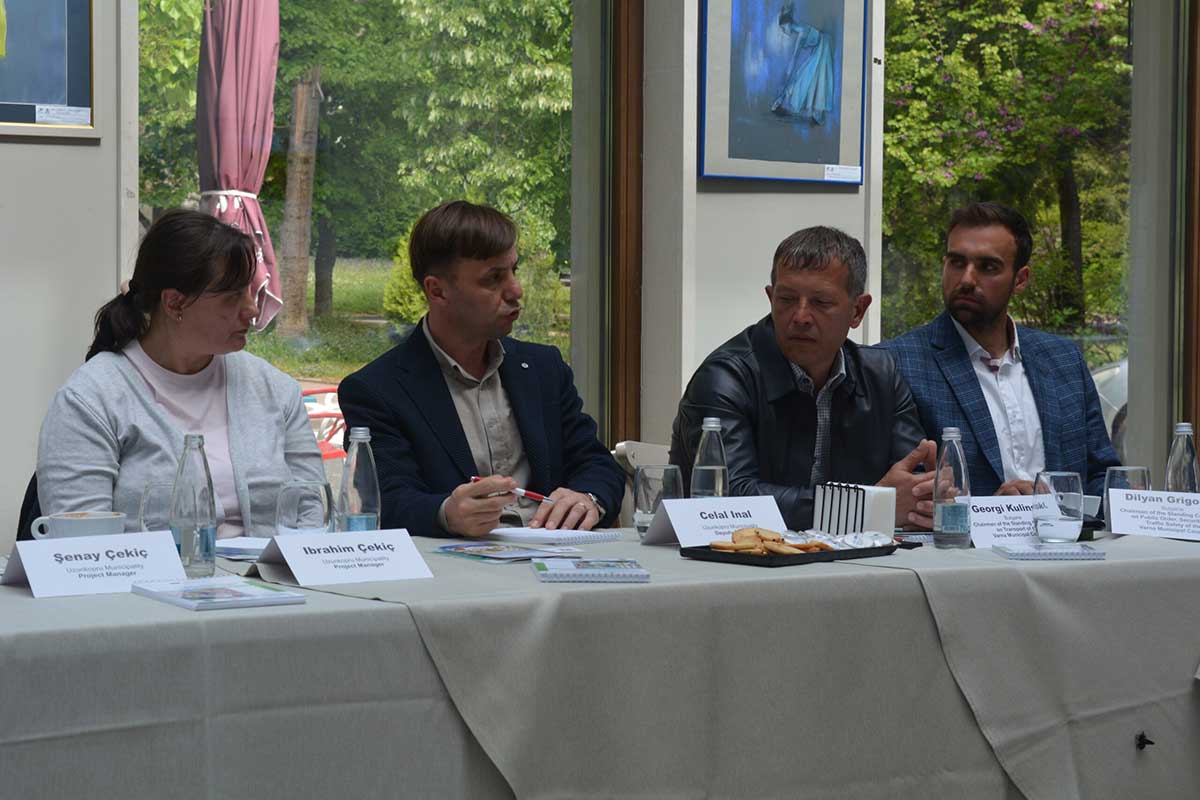
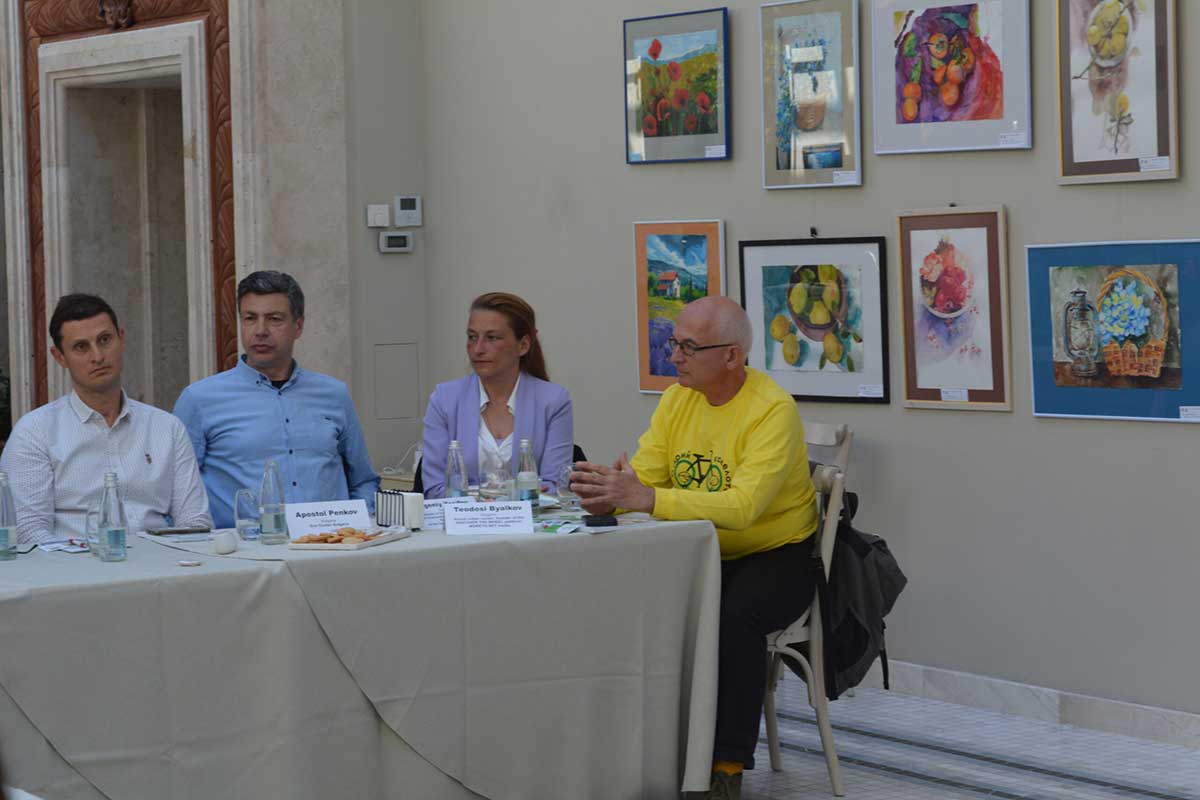
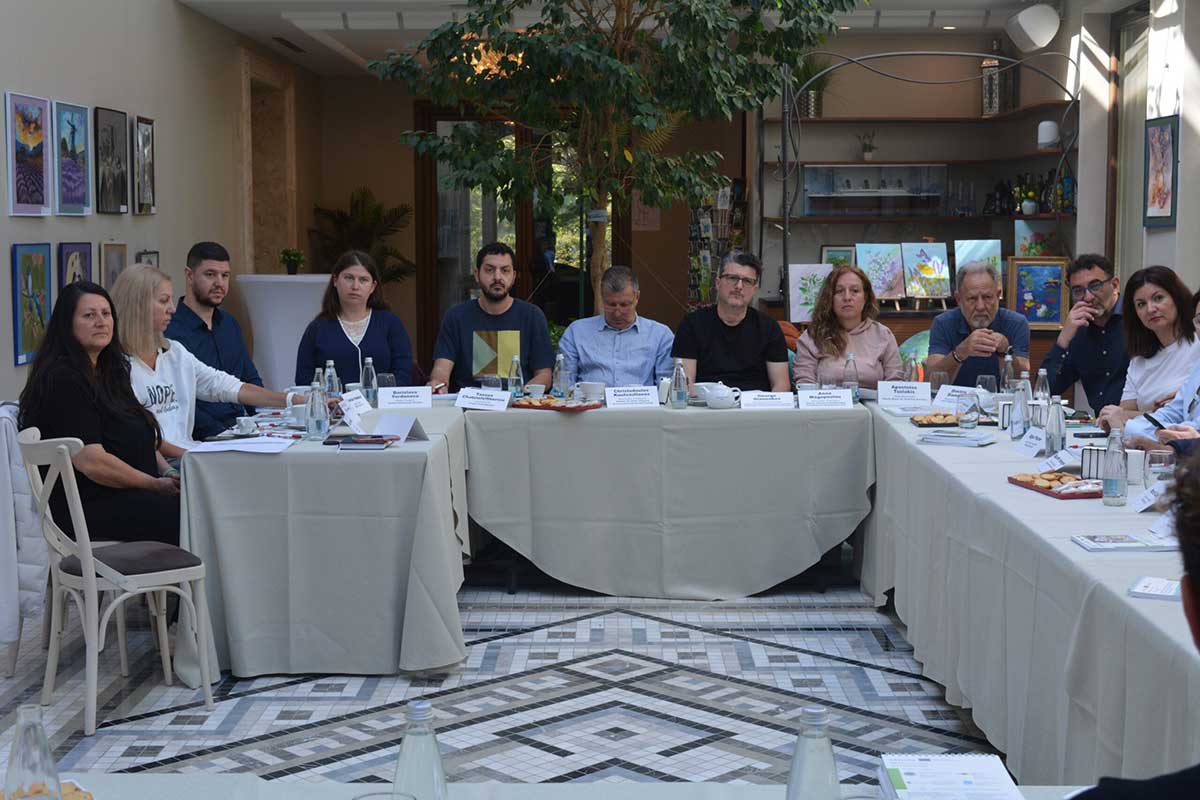
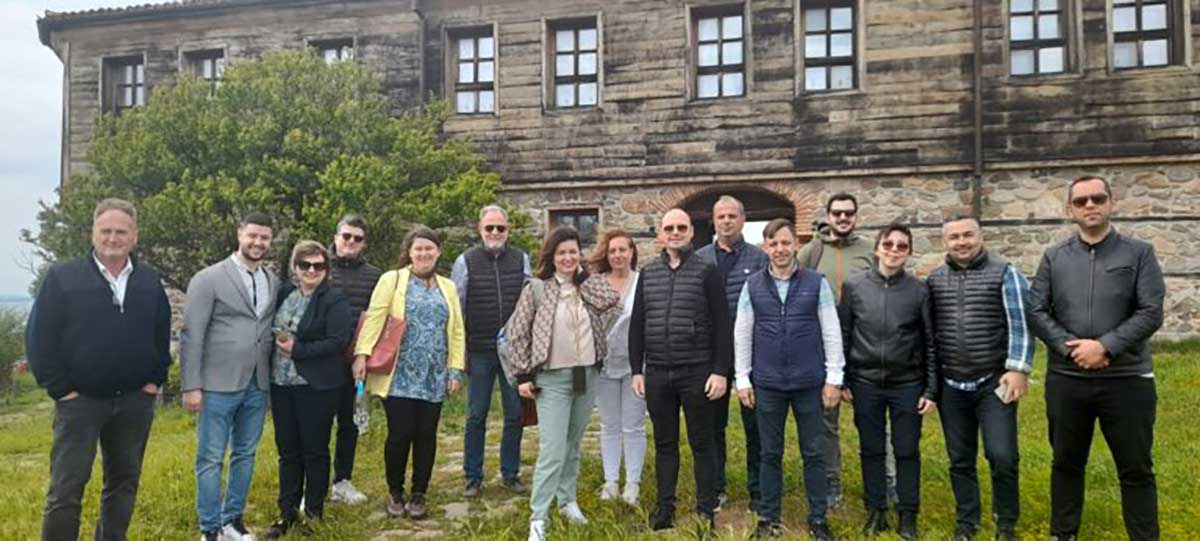
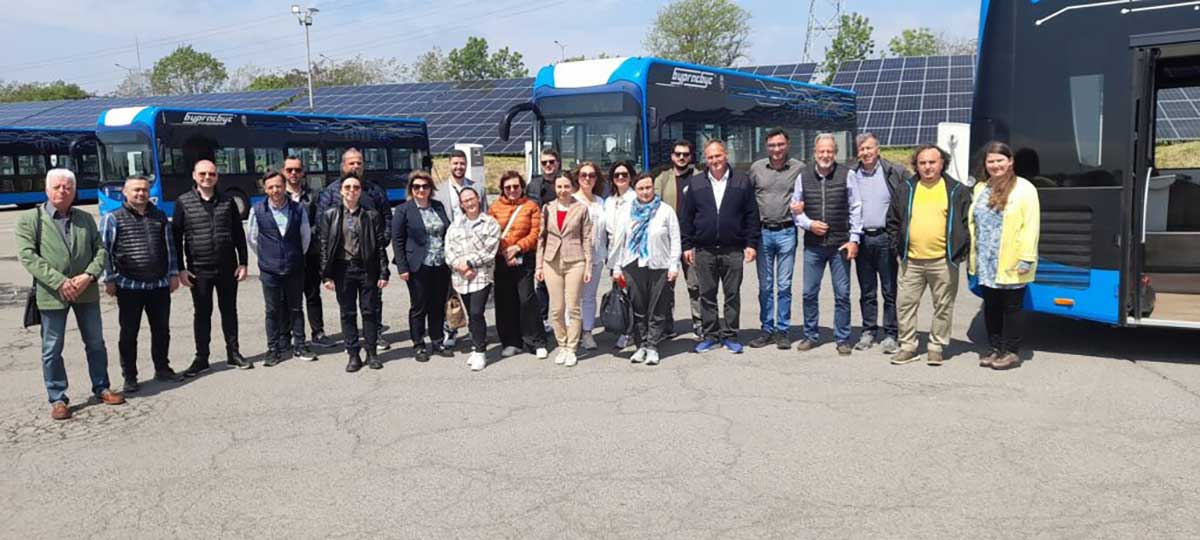
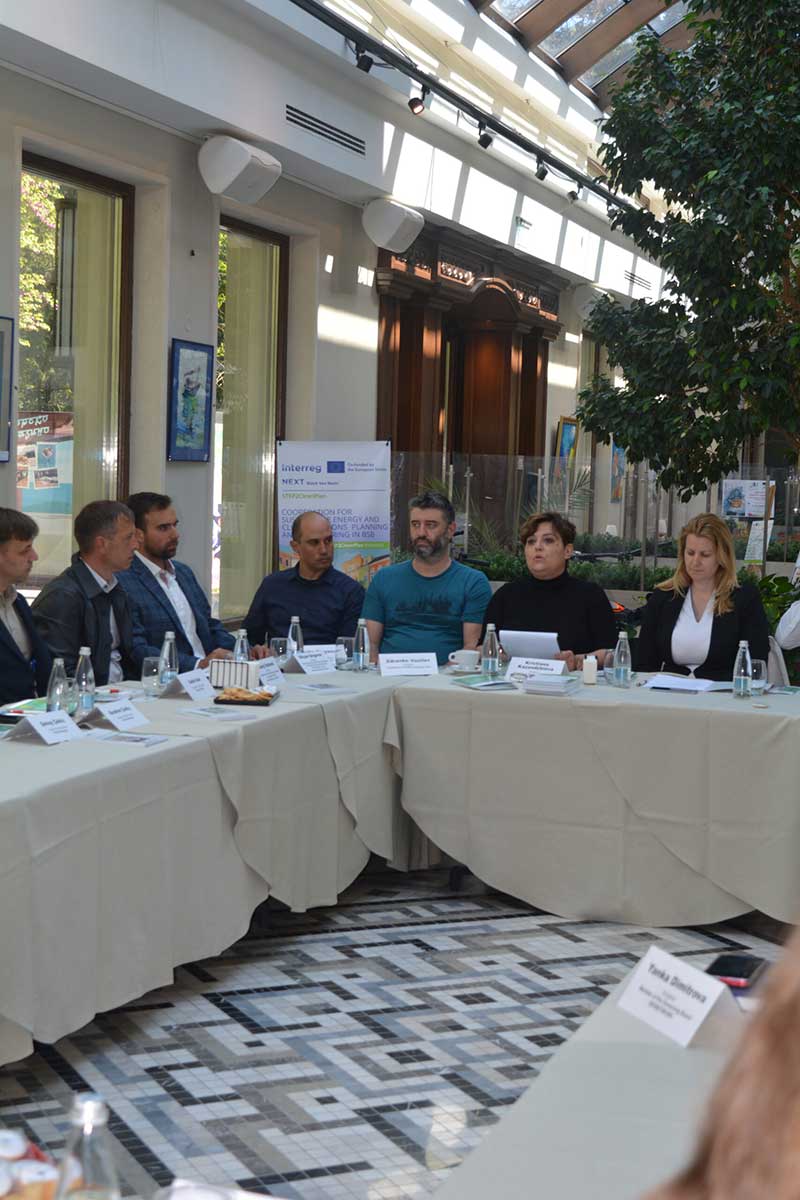
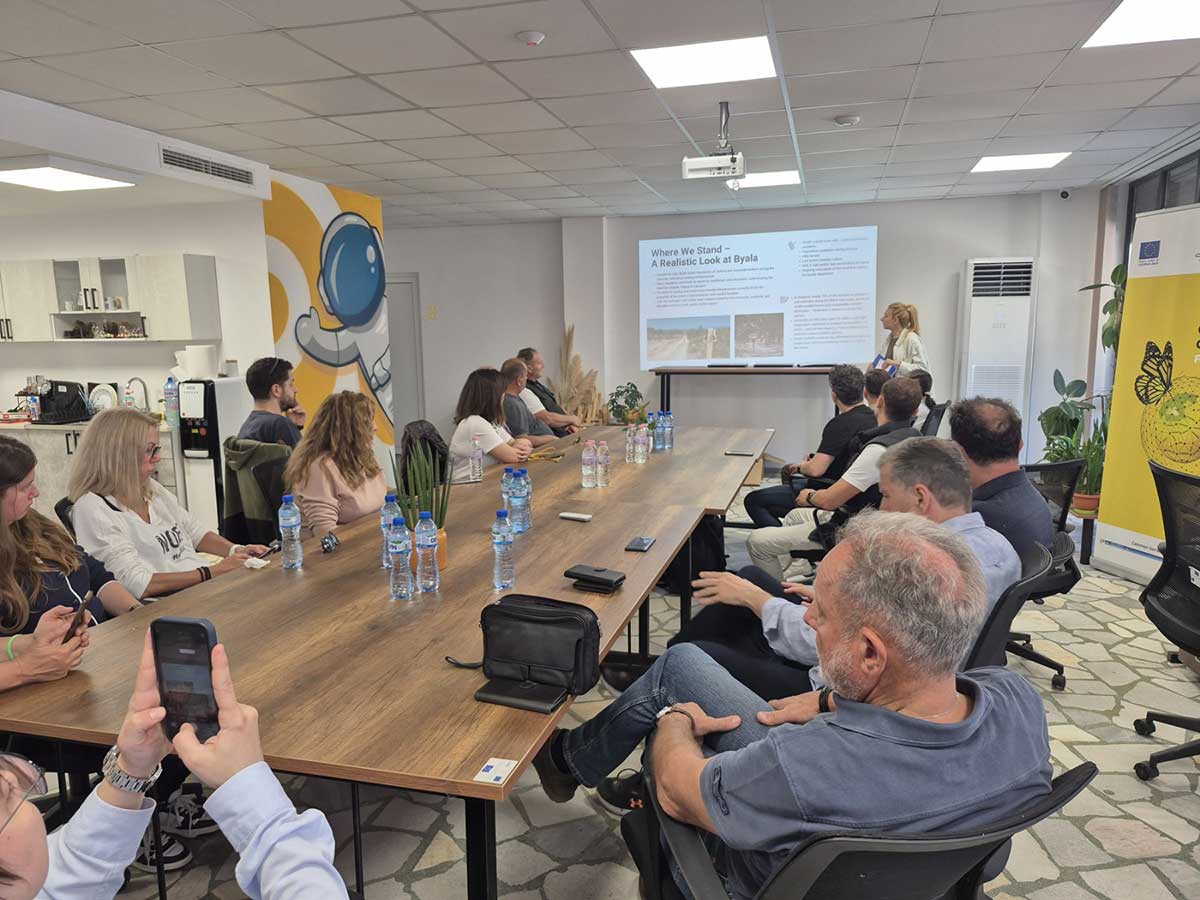
Varna, Byala & Burgas, Bulgaria – 7–8 May 2025 On 7–8 May 2025, the cities of Varna, Byala, and Burgas hosted a two-day study visit organised within the framework of the European Union funded INTERREG NEXT Black Sea Basin – Step2CleanPlan project, aimed at strengthening cross-border cooperation for planning and monitoring sustainable energy and climate actions in the Black Sea region. The study visit was hosted by the Association Bionetwork (BIONET) and by the District Government of Burgas (Bulgaria), project partners. The event brought together representatives of the Municipality of Uzunköprü (Türkiye), the Municipal Agency for Economic Development ANATOLIKI (Thessaloniki, Greece)—with participation from representatives of four additional Greek municipalities—as well as representatives of the District Government of Burgas (Bulgaria). Within the framework of the project, Association BIONET is supporting the Municipality of Byala in the preparation of a Sustainable Urban Mobility Strategy. For this reason, the main focus of the study visit was on green transport solutions and the balance between sustainable mobility and the safety of local communities. The meeting in Varna was opened by Ms. Yanislava Shopova, Mayor of the Odessos District, Varna, who highlighted the importance of sustainable urban mobility and underlined the value of sharing experiences, challenges, and good practices among partners. During the discussions on green transport solutions—such as bicycles, electric scooters, and e-scooters—participants addressed both their benefits and the challenges they pose in urban environments. Representatives of the Varna Municipal Council also joined the debate, including:
  • Mr. Georgi Kulinski – Chair of the Standing Committee on Transport
  • Mr. Dilyan Grigorov – Chair of the Standing Committee on Public Order, Security and Road Safety
  • Mr. Evgeniy Yosifov – Chair of the Temporary Committee on Environment Protection and Restoration
  • Mr. Apostol Penkov – Chair of Eco Cluster Bulgaria
  • Arch. Ventsislava Nedyalkova – Chair of “The Spaces of Varna”
Participants shared that Varna currently has an established cycling network of approximately 25 km, while traffic load data indicate that at least an additional 40 km of cycling lanes are needed to meet growing demand. Both in Bulgaria and Greece, similar challenges related to electric scooters were highlighted, including:
  • Lack of appropriate infrastructure
  • Insufficient regulatory control related to pedestrian safety
  • Lack of systematic data collection on users
  • Absence of clear categorisation for higher-powered models
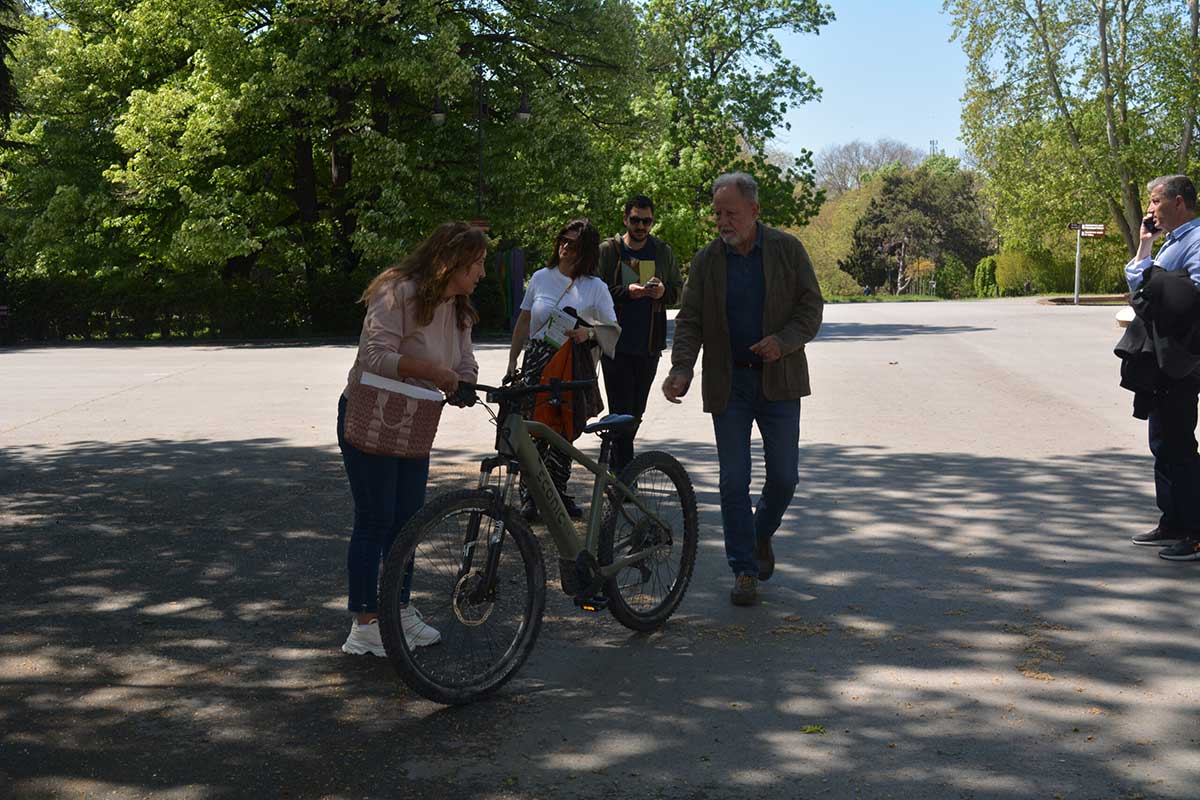
These issues lead to conflicts with pedestrians in recreational areas and on sidewalks, as well as risky use on major boulevards and high-speed roads. Despite these challenges, all participants agreed that alternative modes of transport contribute to a cleaner environment and that a balanced approach is needed between bicycles, scooters, private cars, and public transport, supported by strong coordination among all road users. The Turkish partners shared that in the Municipality of Uzunköprü, new infrastructure is currently being developed for both existing and newly planned neighbourhoods. For them, learning from partners with already established networks is of particular importance, in order to understand real-life challenges, mistakes, and good practices. They emphasised that in Uzunköprü, pedestrians always have priority, a principle that will form the basis of future urban mobility planning. From the Bulgarian side, the need for legislative changes was discussed, particularly to introduce registration for electric scooters exceeding 25 km/h and to classify them as motor vehicles. Accordingly, such vehicles should not be allowed in parks or on sidewalks. Regional good practices were also presented, including the initiative led by Teodosi Byalkov, “Find the Bike,” aimed at creating a shared bicycle-use platform. In addition, Zdravko Vasilev (Chair) and Boyko Stoyanov (Vice-Chair) of the cycling club “Ustrem” shared their inspiring vision for the development of a complete Black Sea cycling route (approximately 900 km – from Tulcea to Istanbul), including bicycle parking areas, maintenance and repair points, accommodation facilities, and comprehensive cycling infrastructure. On 8 May 2025, the District Government of Burgas hosted the second day of the study visit. The programme began with a presentation by the Energy Efficiency Centre (EnEffect) Foundation, focusing on strategic energy planning and various initiatives for improving energy efficiency at local and regional level. Participants then visited BurgasBus, presented as a successful example of urban mobility and public transport development, and St. Anastasia Island, showcased as a good practice in sustainable tourism, energy efficiency, and resource conservation. These site visits provided participants with practical insights into how integrated approaches to mobility, energy efficiency, and sustainability can be implemented at local level. The two-day study visit clearly demonstrated the added value of cross-border cooperation in addressing shared climate, energy, and urban mobility challenges in the Black Sea Basin. Through the exchange of experiences, good practices, and practical solutions, partners strengthened their capacity to develop balanced, safe, and sustainable policies tailored to the needs of their local communities. The Step2CleanPlan project continues to support local and regional authorities in enhancing their strategic planning capacity and in implementing concrete measures for climate change mitigation and adaptation, sustainable mobility, and energy efficiency. The Step2CleanPlan project is funded by the European Union in the scope of Interreg NEXT Black Sea Basin Programme 2021–2027, with a total budget of €504,504.00 and a project duration of 18 months.